
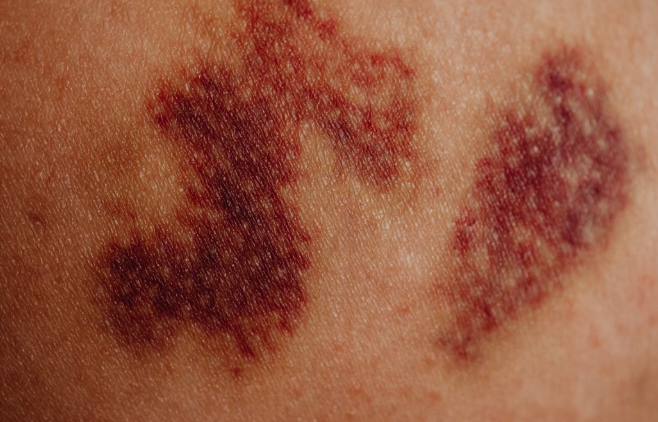
Itching in 9 Areas of the Body: When It May Be a Sign You Should Check With a Doctor
Understanding What Your Skin May Be Telling You
Itching is one of the most common skin sensations people experience. Sometimes it is caused by something simple, such as dry skin, a mosquito bite, a new soap, or an allergic reaction. In many cases, itching improves with basic skin care and time.
However, persistent or unexplained itching in certain areas of the body may sometimes signal an underlying health issue. The location of the itch, how long it lasts, and whether other symptoms appear can provide important clues.
This does not mean every itchy spot is a sign of a serious condition. Most causes are harmless and treatable. But if itching is severe, ongoing, spreading, or accompanied by other changes, it is worth discussing with a healthcare professional.
Why Does the Body Itch?
Itching, also called pruritus, occurs when nerves in the skin send signals to the brain that create the urge to scratch.
Common causes include:
- Dry skin
- Allergies
- Insect bites
- Skin irritation
- Eczema
- Fungal infections
- Certain medications
- Stress
In some situations, itching may also be linked to conditions affecting areas beyond the skin, including the liver, kidneys, nerves, hormones, or immune system.
1. Itchy Scalp
An itchy scalp is often caused by everyday issues such as dryness, dandruff, or irritation from hair products.
Common causes include:
- Dry scalp
- Dandruff
- Hair dye or product sensitivity
- Seborrheic dermatitis
- Head lice
- Psoriasis
When to Consider Medical Advice
Check with a healthcare professional if scalp itching is:
- Persistent despite treatment
- Associated with sores or bleeding
- Causing significant hair loss
- Accompanied by thick, scaly patches
A proper diagnosis can help determine the right treatment.
2. Itchy Eyes or Eyelids
The skin around the eyes is delicate and can react easily to irritants.
Possible causes include:
- Allergies
- Makeup or skincare reactions
- Dry eyes
- Eyelid inflammation
- Environmental irritation
Seek Medical Advice If:
- The eyelids become swollen
- There is pain or vision changes
- The eye becomes very red
- Symptoms continue for a long time
Eye-related symptoms should be evaluated carefully because the area is sensitive.
3. Itchy Ears
Ear itching can happen inside or around the outer ear.
Common causes include:
- Dry skin
- Earwax buildup
- Skin conditions such as eczema
- Irritation from earbuds or hearing devices
- Outer ear infections
Avoid putting objects inside the ear to scratch the itch, as this can damage delicate skin.
See a Doctor If:
- There is ear drainage
- Hearing changes occur
- Pain develops
- The itching is severe or persistent
4. Itchy Neck
The neck is exposed to many possible irritants, including fragrances, clothing materials, and skincare products.
Possible causes include:
- Contact dermatitis
- Sweat irritation
- Dry skin
- Allergic reactions
- Eczema
If the itch appears after using a new product, stopping that product may help identify the trigger.
Get Medical Advice If:
- A rash spreads
- The skin becomes swollen or painful
- The itching does not improve
5. Itchy Hands
Hands come into contact with many substances every day, making them prone to irritation.
Common causes include:
- Frequent hand washing
- Cleaning products
- Allergies
- Eczema
- Dry skin
People who work with chemicals, water, or gloves may be more likely to develop hand irritation.
Medical Evaluation May Be Needed If:
- Skin cracks deeply
- There are blisters
- The itch is severe
- Symptoms interfere with daily activities
6. Itchy Feet
Feet can become itchy due to moisture, friction, or infections.
Common causes include:
- Athlete’s foot
- Dry skin
- Shoe or sock irritation
- Contact allergies
- Eczema
Athlete’s foot often causes:
- Peeling skin
- Burning
- Redness
- Itching between toes
See a Healthcare Professional If:
- The skin becomes painful
- There are open sores
- Symptoms keep returning
- Treatment does not help
7. Itchy Back
Back itching is often linked to dry skin or irritation, but persistent itching can have several causes.
Possible triggers include:
- Dry skin
- Allergic reactions
- Heat rash
- Eczema
- Nerve-related itching
Sometimes itching in one specific area of the back without a visible rash may be related to nerve irritation.
Seek Advice If:
- The itch lasts for weeks
- There is numbness or tingling
- No skin cause is obvious
8. Itchy Arms and Legs
Itching on the arms and legs is common and may result from:
- Dry skin
- Allergies
- Insect bites
- Eczema
- Environmental changes
However, widespread itching without a visible rash may occasionally be associated with internal health conditions.
Possible related factors can include:
- Medication reactions
- Hormonal changes
- Liver or kidney problems
- Blood disorders
Talk With a Doctor If:
- Itching affects your whole body
- It is severe at night
- There is no obvious cause
- Other symptoms appear
9. Itchy Private Areas
Itching in intimate areas is common but can be uncomfortable and may have several causes.
Possible causes include:
- Irritation from soaps or products
- Fungal infections
- Skin conditions
- Allergic reactions
- Certain infections
Avoid using harsh products or unnecessary treatments without knowing the cause.
Seek Medical Advice If:
- There is unusual discharge
- Pain or burning occurs
- Symptoms persist
- There are sores or unusual skin changes
When Itching May Be Linked to Internal Health Issues
Sometimes itching occurs without a visible rash and does not respond to normal skin care.
In some cases, widespread itching may be associated with:
Liver Problems
Changes in bile flow can sometimes contribute to itching.
Kidney Conditions
Certain kidney problems may cause persistent itching due to changes in the body’s chemistry.
Thyroid Disorders
Hormonal imbalances can affect skin health.
Diabetes
Some people with diabetes experience dry skin, nerve changes, or increased risk of infections that may contribute to itching.
Allergic or Medication Reactions
New medications can sometimes cause itching as a side effect.
Warning Signs That Should Not Be Ignored
Contact a healthcare professional if itching is:
- Severe or worsening
- Present for several weeks without improvement
- Affecting sleep
- Occurring all over the body
- Associated with unexplained weight loss
- Accompanied by fever or fatigue
- Associated with yellowing of the skin or eyes
- Accompanied by swelling or difficulty breathing
Sudden swelling, breathing difficulty, or signs of a severe allergic reaction require urgent medical attention.
Simple Ways to Soothe Mild Itching
For mild itching caused by common skin irritation, these habits may help:
Moisturize Regularly
Use fragrance-free moisturizers to support the skin barrier.
Avoid Hot Showers
Hot water can remove natural oils and worsen dryness.
Use Gentle Products
Choose mild soaps and avoid heavily scented products.
Wear Comfortable Fabrics
Soft, breathable clothing may reduce irritation.
Keep Nails Short
This can reduce skin damage caused by scratching.
Frequently Asked Questions
Does Itching Always Mean Something Is Wrong?
No. Many cases of itching are caused by harmless issues like dry skin or irritation.
Why Is My Itching Worse at Night?
Nighttime itching may happen because the skin becomes drier, body temperature changes, or there are fewer distractions from the sensation.
Can Stress Cause Itching?
Yes. Stress can affect the nervous system and may worsen itching in some people.
Should I Scratch an Itchy Area?
Scratching can provide temporary relief but may damage the skin and increase irritation. Gentle cooling or moisturizing may be safer options.
Final Thoughts
Itching is a common experience, and most cases are related to simple skin concerns. However, itching in certain areas of the body that persists, spreads, or appears with other symptoms may deserve medical attention.
Pay attention to patterns: where the itching occurs, how long it lasts, whether there is a rash, and whether other changes are present. Understanding these details can help you choose the right approach.
Healthy skin care habits, awareness of your body, and timely medical advice when needed can help protect your comfort and overall well-being.

Factory Automation streamlines manufacturing operations through advanced control systems, robotics, PLCs, sensors, and industrial software. It improves productivity, enhances product quality, reduces operational costs, minimizes human intervention, and ensures safe, efficient, and consistent production across modern manufacturing facilities.
Engineering Staffing connects businesses with skilled engineering professionals for temporary, contract, and permanent roles. Our staffing solutions provide qualified talent across automation, software, mechanical, electrical, and manufacturing disciplines, helping organizations accelerate projects, improve productivity, and achieve business objectives efficiently.
Student accommodation in Preston offers affordable, comfortable and well-located housing for students. With modern facilities, secure living spaces and easy access to UCLan, transport links and city amenities, students can enjoy a convenient lifestyle that supports both academic success and social activities.
That is very beautiful
8th