
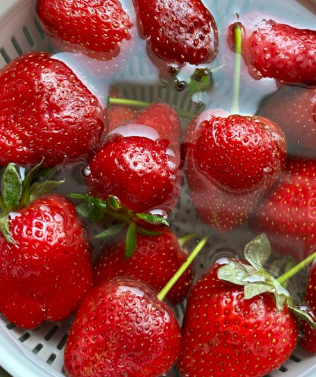
I Soaked My Berries in Salt Water: Here’s What I Found
Fresh berries are among the most popular healthy foods, packed with vitamins, antioxidants, and natural sweetness. But in recent years, a viral food trend has encouraged people to soak berries in salt water before eating them, claiming the method can remove hidden dirt, insects, and unwanted residues.
Many people have tried this simple kitchen experiment and shared surprising results online. But what actually happens when you soak berries in salt water? Does it really remove bugs? Is it necessary? And is it safe for your fruit?
Why Are People Soaking Berries in Salt Water?
The salt water berry trend became popular after social media users shared videos showing strawberries and other berries placed in a bowl of water mixed with salt.
The idea behind the method is that salt water may encourage small insects or larvae hiding inside or on the surface of berries to come out.
Some people also believe soaking berries can help remove:
- Dirt
- Pesticide residues
- Small insects
- Microorganisms
- Surface debris
While washing produce is a good habit, the effectiveness of salt water depends on several factors, including the type of berry and what you are trying to remove.
What Happens When You Soak Berries in Salt Water?
When berries are placed in salt water, several things may happen.
1. Surface Dirt May Loosen
Salt water can help loosen dirt, dust, and debris that may be present on the surface of berries.
However, plain running water is also effective for removing much of this surface contamination.
2. Small Insects May Move Out
Some insects or tiny organisms on produce may respond to changes in their environment and move away from the fruit.
This is more likely with certain types of insects found on the surface or in small crevices.
However, seeing something emerge from berries does not mean every batch contains harmful pests, nor does salt water guarantee complete removal.
3. Berries May Become Softer
Berries have delicate structures and contain a high amount of water. Extended soaking can affect their texture.
Possible effects include:
- Softer texture
- Reduced freshness
- Faster spoilage
- Loss of flavor
For this reason, berries generally should not be soaked for long periods.
Does Salt Water Remove Pesticides?
Many people soak produce because they are concerned about pesticide residues.
While washing fruits and vegetables can reduce some surface residues, salt water is not a guaranteed method for removing all pesticides.
Pesticides vary widely in:
- Chemical structure
- How they interact with plant surfaces
- Whether they are absorbed into the produce
The most reliable cleaning method for most berries is rinsing them thoroughly under cool running water.
Can Salt Water Kill Bacteria on Berries?
Salt has antimicrobial properties at certain concentrations, but a typical home salt water soak should not be considered a replacement for proper washing or food safety practices.
A salt water soak may not eliminate all harmful microorganisms.
Safe handling practices include:
- Washing hands before preparing food
- Rinsing berries before eating
- Keeping berries refrigerated
- Removing damaged or moldy fruit
The Best Way to Wash Berries
For most people, the simplest method is also one of the most effective.
Step 1: Wash Your Hands
Before handling berries, wash your hands with soap and water.
Step 2: Inspect the Berries
Remove:
- Moldy berries
- Bruised fruit
- Damaged pieces
- Leaves or stems
One moldy berry can speed up spoilage in the rest of the container.
Step 3: Rinse Under Cool Running Water
Place berries in a colander and rinse gently under cool running water.
Avoid using hot water because it may damage delicate fruit.
Step 4: Dry Thoroughly
Moisture encourages mold growth.
After washing:
- Spread berries on a clean towel.
- Gently pat dry.
- Store them in a breathable container.
Should You Soak Strawberries in Salt Water?
Strawberries are the berry most commonly associated with this trend because insects can sometimes hide around:
- The leafy top
- Small surface crevices
- Areas where fruit meets the stem
A short soak may help loosen debris, but it is not required for everyone.
If you choose to try it:
- Mix clean water with a small amount of salt.
- Soak briefly.
- Rinse berries thoroughly afterward.
- Dry before storing.
Avoid leaving strawberries submerged for long periods because they can absorb water and lose quality.
Does This Work for All Berries?
Different berries have different structures.
Strawberries
- More durable than some berries
- Have surface crevices where debris can collect
Blueberries
- Have a protective natural coating called a “bloom”
- Excessive washing or soaking may remove some of this coating
Raspberries and Blackberries
- Very delicate
- Can become mushy quickly when soaked
For fragile berries, gentle rinsing is usually preferred.
Common Mistakes When Cleaning Berries
Washing Too Early
Moisture speeds up spoilage. Washing berries immediately before storage may reduce their shelf life.
A better approach is:
- Wash just before eating, or
- Dry thoroughly if washing ahead of time
Using Soap or Dish Detergent
Do not wash berries with soap.
Cleaning products are not designed for consumption and may leave residues.
Soaking for Too Long
Long soaking can damage texture and encourage spoilage.
Storing Wet Berries
Wet berries are more likely to develop mold.
Always dry them carefully after washing.
Are Organic Berries Safer?
Organic berries are grown under different agricultural standards, but they still need washing.
All fresh produce can potentially have:
- Dirt
- Microorganisms
- Handling-related contamination
Washing remains an important food safety step regardless of whether berries are conventional or organic.
What I Found After Soaking My Berries in Salt Water
Many people who try the salt water method report noticing small particles or tiny organisms in the water afterward. While this can look surprising, it does not necessarily mean the berries were unsafe or heavily contaminated.
The process may simply reveal:
- Small insects naturally found in outdoor-grown produce
- Loose debris
- Plant material
- Surface particles
Fresh fruits are agricultural products, and occasional contact with insects is a normal possibility.
The important takeaway is that proper washing and food handling help reduce unwanted contaminants.
Frequently Asked Questions
Is it necessary to soak berries in salt water?
No. Salt water soaking is optional. Rinsing berries under cool running water is generally sufficient for routine cleaning.
How long should berries soak in salt water?
If you choose to use salt water, a short soak is usually preferable. Long soaking can damage delicate berries.
Can salt water make berries safer?
Salt water may help remove some surface debris, but it is not a substitute for proper washing and safe food handling.
Should I wash berries before storing them?
It depends on your routine. Washing before storage can shorten shelf life unless berries are dried thoroughly. Many people prefer washing berries right before eating.
Final Thoughts
The viral trend of soaking berries in salt water has sparked curiosity because people are surprised by what they sometimes discover. While the method may help loosen surface debris and reveal tiny insects or particles, it is not a magical cleaning solution.
For most households, the best approach is simple: rinse berries under cool running water, handle them properly, and store them dry. Fresh berries are a nutritious part of a healthy diet, and a little care during preparation can help you enjoy them safely.
