
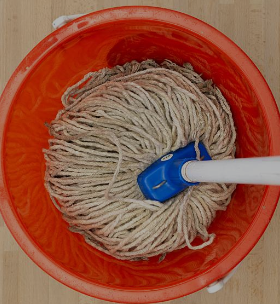
A Simple Floor Cleaning Tip for Longer-Lasting Freshness
Keeping floors clean can make an entire home feel fresher, brighter, and more comfortable. However, many people find that floors lose their clean appearance quickly after mopping. Dust returns, footprints appear, and unpleasant odors can develop within days.
The good news is that maintaining fresh-looking floors does not always require expensive cleaners or complicated routines. A simple cleaning approach, combined with a few smart habits, can help your floors stay cleaner and fresher for longer.
In this article, we’ll explore an easy floor cleaning tip, explain why it works, and share practical ways to extend the freshness of different types of flooring.
The Simple Floor Cleaning Tip: Clean Less With Better Technique
One of the most effective ways to keep floors fresh longer is to avoid leaving behind cleaning residue.
Many people assume that using more cleaning product creates cleaner floors. However, excess soap or cleaner can leave behind a sticky film that attracts dust, dirt, and footprints.
A better approach is:
- Remove loose dirt first.
- Use the correct amount of cleaner.
- Mop with clean water when needed.
- Allow floors to dry completely.
A clean floor is not only about removing dirt—it is also about preventing residue that makes dirt return faster.
Step 1: Sweep or Vacuum Before Mopping
One of the most common floor-cleaning mistakes is mopping over loose dust and debris.
When dirt mixes with water, it can create a muddy layer that spreads across the floor instead of being removed.
Before mopping:
- Sweep corners and edges.
- Vacuum carpets and hard floors.
- Remove pet hair and crumbs.
- Pay extra attention to high-traffic areas.
Removing dry debris first allows your mop to focus on actual cleaning rather than pushing dirt around.
Step 2: Use the Right Amount of Cleaning Solution
More cleaner does not always mean better results.
Using too much floor cleaner may leave behind:
- Sticky residue
- Cloudy patches
- A dull appearance
- Faster dust buildup
Always follow the instructions on the cleaning product label. If you prefer a homemade solution, use mild ingredients and avoid making mixtures that are too concentrated.
For many floors, a small amount of cleaner diluted properly with water is enough to remove everyday dirt.
Step 3: Use a Clean Mop and Fresh Water
A dirty mop can spread grime instead of removing it.
For better results:
- Start with clean mop water.
- Rinse the mop regularly.
- Replace dirty water when it becomes cloudy.
- Wash reusable mop heads after use.
A microfiber mop is often a helpful choice because microfiber fibers can trap dust and absorb moisture effectively.
Step 4: Let Floors Dry Properly
Allowing floors to dry completely helps prevent streaks and new dirt from sticking to damp surfaces.
After mopping:
- Open windows if possible.
- Increase airflow with fans.
- Avoid walking on wet floors.
- Use clean footwear or socks indoors.
Proper drying also helps reduce the chance of moisture-related problems, especially on wood or laminate flooring.
Natural Ways to Keep Floors Smelling Fresh
A clean floor does not need an overpowering fragrance. Freshness often comes from removing odors rather than covering them.
Here are some simple habits that can help:
Keep Entryways Clean
Shoes bring in a large amount of outdoor dirt.
Consider:
- Using doormats at entrances.
- Removing shoes indoors.
- Cleaning entry areas frequently.
This reduces the amount of dirt that reaches the rest of your home.
Clean High-Traffic Areas More Often
Not every part of your home needs the same cleaning schedule.
Areas that usually need more attention include:
- Hallways
- Kitchens
- Living rooms
- Entryways
Bedrooms and less-used spaces may require less frequent cleaning.
Address Spills Quickly
Small spills can become sticky stains if left untreated.
Cleaning spills immediately helps prevent:
- Odors
- Discoloration
- Difficult-to-remove buildup
Floor Cleaning Tips Based on Floor Type
Different materials require different care methods.
Hardwood Floors
Hardwood floors can be damaged by excess water.
Helpful tips:
- Use a slightly damp mop rather than a soaking wet one.
- Avoid harsh cleaners.
- Wipe spills quickly.
- Use products designed for wood flooring.
Too much moisture can cause wood to swell, warp, or lose its finish.
Tile Floors
Tile is generally durable, but grout lines can collect dirt.
Tips:
- Sweep regularly.
- Use a gentle cleaner.
- Pay attention to grout areas.
- Avoid abrasive tools that may damage surfaces.
Laminate Floors
Laminate flooring should be cleaned carefully because water can damage the layers.
Recommended habits:
- Use minimal moisture.
- Avoid steam cleaning unless approved by the manufacturer.
- Wipe standing water immediately.
Vinyl Floors
Vinyl floors are relatively easy to maintain.
Helpful steps:
- Remove dust regularly.
- Use mild cleaning solutions.
- Avoid abrasive cleaners.
- Place protective pads under heavy furniture.
Common Floor Cleaning Mistakes to Avoid
Even well-intentioned cleaning habits can sometimes make floors look worse.
Using Too Much Water
Excess moisture can damage certain flooring materials and leave streaks.
Using Strong Chemicals Frequently
Harsh cleaners may wear down finishes over time.
Ignoring Furniture and Corners
Dust often collects under furniture, along walls, and in corners.
Using the Same Dirty Water Throughout the House
This can spread dirt from one room to another.
Skipping Regular Maintenance
Waiting until floors look very dirty often makes cleaning more difficult.
A Simple Weekly Floor Care Routine
A realistic routine can help maintain freshness without spending hours cleaning.
Daily:
- Remove visible crumbs and spills.
- Keep entry areas tidy.
Several Times Per Week:
- Sweep or vacuum high-traffic areas.
- Clean pet hair and dust.
Weekly:
- Mop hard floors using the correct method.
- Clean corners and edges.
Monthly:
- Deep clean areas that collect buildup.
- Check for stains or damage.
Consistency is often more effective than occasional heavy cleaning.
Frequently Asked Questions
Why do my floors look dirty soon after mopping?
This often happens because of leftover cleaning residue, dirty mop water, or incomplete removal of dust before mopping.
Is more floor cleaner better?
No. Too much cleaner can leave a film that attracts dirt and makes floors appear dull.
How can I make my house smell fresh after cleaning floors?
Regular dust removal, proper ventilation, clean rugs, and addressing odor sources are usually more effective than simply adding fragrance.
How often should I mop my floors?
The ideal schedule depends on your household. Homes with children, pets, or heavy foot traffic may need more frequent cleaning than quieter households.
Final Thoughts
Keeping floors fresh for longer does not require complicated products or expensive equipment. One of the simplest and most effective strategies is using the right cleaning technique: remove loose dirt first, avoid excess cleaner, use a clean mop, and allow floors to dry properly.
Small habits—such as cleaning spills quickly, using doormats, and maintaining high-traffic areas—can make a noticeable difference. With consistent care and the right approach for your flooring type, your floors can stay cleaner, fresher, and more inviting for longer.
