
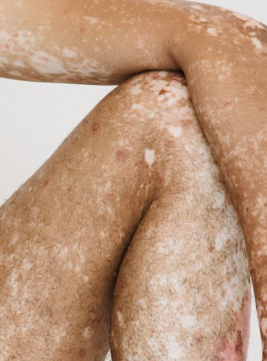
Small White Spots on Your Skin? Here’s What They Could Mean
Noticing small white spots on your skin can be surprising, especially when they appear suddenly or become more noticeable over time. While many people immediately worry about serious conditions, white spots on the skin are often caused by common and treatable issues.
These spots can develop for many reasons, including changes in skin pigment, sun exposure, infections, nutritional factors, or immune-related conditions. The appearance, location, size, and progression of the spots can provide important clues about the possible cause.
This article explains the most common reasons for small white spots on the skin, what symptoms to watch for, and when it may be time to consult a healthcare professional.
Why Do White Spots Appear on the Skin?
Skin color is determined by a pigment called melanin, which is produced by cells called melanocytes.
White spots may occur when:
- The skin produces less melanin
- Melanocytes are damaged or destroyed
- The skin has a fungal infection
- Previous inflammation changes skin pigmentation
- Sun exposure creates uneven coloring
The cause is not always obvious just by looking at the spots, which is why persistent or changing patches should be evaluated.
1. Vitiligo: Loss of Skin Pigment
One of the best-known causes of white patches is vitiligo, a condition where the immune system mistakenly attacks pigment-producing cells.
Common features include:
- Smooth, clearly defined white patches
- Spots that may slowly increase in size
- Symmetrical patches on both sides of the body
- Common areas such as hands, face, elbows, knees, and around body openings
Vitiligo is not contagious and does not spread through contact. It can affect people of any skin tone.
Some people with vitiligo have no other symptoms, while others may have associations with certain autoimmune conditions.
2. Tinea Versicolor (Fungal Skin Infection)
A common cause of small lighter spots is tinea versicolor, a superficial fungal infection caused by an overgrowth of yeast that normally lives on the skin.
It may cause:
- Small white, light pink, or brown patches
- Spots on the chest, back, shoulders, or neck
- Mild itching in some cases
- Slight scaling or dryness
The patches may become more noticeable after sun exposure because the affected areas do not tan normally.
Tinea versicolor is not dangerous, but it may require antifungal treatment if it does not improve.
3. Sun-Related White Spots (Idiopathic Guttate Hypomelanosis)
Small white dots on areas exposed to sunlight are common, especially as people get older.
This condition is called idiopathic guttate hypomelanosis (IGH).
Typical features include:
- Tiny white spots, often a few millimeters wide
- Flat, smooth patches
- Commonly found on arms, legs, shoulders, and other sun-exposed areas
These spots are usually harmless and are thought to be related to long-term sun exposure and natural skin changes.
4. Post-Inflammatory Hypopigmentation
Sometimes skin loses pigment after an injury or inflammation.
White or lighter areas may appear after:
- Eczema
- Skin infections
- Burns
- Cuts
- Allergic reactions
- Certain rashes
This happens because inflammation temporarily affects pigment production.
In many cases, the skin color gradually returns over time.
5. Milia (Tiny White Bumps)
Not all white spots are pigment changes. Some are small skin bumps.
Milia are tiny, white, pearl-like cysts that form when keratin becomes trapped beneath the skin.
They commonly appear on:
- Eyelids
- Cheeks
- Forehead
Milia are usually harmless and do not indicate a serious health problem.
They are different from flat white patches caused by pigment loss.
6. Nutritional Deficiencies
Certain nutritional problems may affect skin appearance, although they are not among the most common causes of white spots.
Deficiencies involving nutrients such as:
- Vitamin B12
- Vitamin D
- Calcium
- Copper
have sometimes been linked to pigment changes.
However, white spots alone usually do not confirm a nutritional deficiency. A healthcare professional may recommend testing if other symptoms are present.
7. Pityriasis Alba
Pityriasis alba is a common skin condition, especially in children and teenagers.
It appears as:
- Light-colored patches
- Slightly dry or flaky areas
- Usually on the face, neck, arms, or upper body
The spots may be more noticeable in people with darker skin tones.
Pityriasis alba is harmless and often improves with:
- Moisturizing
- Gentle skincare
- Sun protection
8. Scars or Previous Skin Damage
Areas of skin affected by:
- Acne scars
- Injuries
- Surgery
- Burns
may appear lighter because pigment-producing cells were damaged.
These changes can be permanent or may gradually improve depending on the depth of the skin injury.
How to Tell Different Types of White Spots Apart
While only a healthcare professional can diagnose skin conditions accurately, certain patterns may provide clues.
White spots that are:
Flat, smooth, and sharply defined
- May suggest vitiligo or pigment loss
Small and scattered on sun-exposed areas
- May suggest sun-related pigment changes
Flaky or slightly itchy
- May suggest a fungal infection
Raised and pearl-like
- May suggest milia
Appearing after a rash or injury
- May suggest post-inflammatory changes
When Should You See a Doctor?
Most small white spots are not emergencies. However, medical advice is recommended if:
- Spots are spreading quickly
- New patches appear suddenly
- Hair in the affected area turns white
- The spots cover large areas
- There is itching, pain, redness, or scaling
- The skin changes are causing concern
- Treatment at home does not help
A dermatologist can examine the skin and may use tools such as a special light examination to identify the cause.
Can White Spots Be Prevented?
Not all causes of white spots can be prevented, especially genetic or autoimmune conditions. However, good skin care can reduce some risks.
Protect Your Skin From the Sun
Use:
- Broad-spectrum sunscreen
- Protective clothing
- Shade during strong sunlight
Sun protection helps prevent uneven pigmentation and reduces skin damage.
Keep Skin Moisturized
Regular moisturizing may help prevent dryness-related conditions such as pityriasis alba.
Choose gentle products, especially if you have sensitive skin.
Avoid Harsh Skin Products
Strong chemicals, excessive exfoliation, and irritating products can damage the skin barrier and trigger inflammation.
Treat Skin Conditions Early
Managing eczema, infections, and inflammatory skin problems promptly may reduce the chance of lasting pigment changes.
Common Myths About White Skin Spots
Myth: White Spots Always Mean Vitiligo
False. Many conditions can cause lighter areas, including fungal infections, sun-related changes, and healing skin inflammation.
Myth: Vitiligo Is Contagious
False. Vitiligo cannot spread from person to person through touch, sharing items, or close contact.
Myth: White Spots Mean Poor Hygiene
False. Most causes of white spots are unrelated to cleanliness.
Myth: Home Remedies Can Restore Skin Color
Some natural remedies are promoted online, but there is limited scientific evidence that they reliably restore pigment. Using irritating substances on the skin may make problems worse.
Frequently Asked Questions
Are small white spots on the skin dangerous?
Usually, small white spots are harmless. However, changes in size, number, or appearance should be checked by a healthcare professional.
Can white spots disappear on their own?
Some causes, such as mild post-inflammatory changes or pityriasis alba, may improve over time. Other conditions, such as vitiligo, may require medical treatment.
Does vitamin deficiency cause white spots?
Certain deficiencies may affect skin appearance, but white spots have many possible causes. Testing is needed to identify a true deficiency.
Can sunscreen prevent white spots?
Sunscreen cannot prevent all types of white spots, but it can protect against sun damage and help reduce uneven pigmentation.
Final Thoughts
Small white spots on your skin can have many explanations, ranging from harmless changes to conditions that may require treatment. Common causes include vitiligo, fungal infections, sun-related pigment changes, post-inflammatory changes, and dry skin conditions.
The appearance of the spots—such as their size, texture, location, and whether they are spreading—can provide important clues. If you notice new or changing white patches, especially those that spread or involve other symptoms, a dermatologist can help identify the cause and recommend the right approach.
Healthy skin starts with protection, gentle care, and paying attention to changes that persist.
