
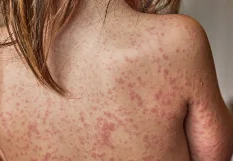
What Causes a Widespread Back Rash? Signs, Symptoms, and When to Seek Help
A rash that spreads across the back can be uncomfortable, confusing, and sometimes concerning. The skin on your back can react to many different triggers, including allergies, infections, heat, medications, skin conditions, and irritation from everyday products.
Some back rashes are mild and clear up on their own, while others may require medical attention. Understanding the possible causes, recognizing warning signs, and knowing when to seek help can make it easier to manage symptoms and protect your skin health.
What Is a Back Rash?
A back rash is any noticeable change in the skin’s appearance or texture across the back. It may involve:
- Redness
- Bumps
- Spots
- Dry or scaly patches
- Blisters
- Itching
- Burning sensations
- Skin peeling
- Swelling
A widespread rash means the affected area covers a larger portion of the back rather than a small, isolated spot.
The appearance of a rash can provide clues about its cause, but a healthcare professional may be needed for an accurate diagnosis.
Common Causes of a Widespread Back Rash
1. Heat Rash (Prickly Heat)
Heat rash occurs when sweat gets trapped beneath the skin, causing irritation and inflammation.
It is more common in:
- Hot and humid weather
- People who sweat heavily
- Areas covered by tight clothing
- During exercise or physical activity
Symptoms May Include:
- Small red bumps
- Itching
- A prickling or burning sensation
- Mild swelling
Helpful Measures:
- Keep the skin cool and dry
- Wear loose, breathable clothing
- Avoid excessive heat exposure
- Take cool showers
2. Contact Dermatitis
Contact dermatitis happens when the skin reacts to a substance that touches it.
Common triggers include:
- New laundry detergents
- Fabric softeners
- Fragrances
- Body lotions
- Soaps
- Certain fabrics
- Hair products that run down the back
Symptoms May Include:
- Red patches
- Itching
- Dryness
- Burning
- Small blisters in some cases
A rash caused by contact dermatitis often improves after identifying and avoiding the trigger.
3. Allergic Reactions
A widespread rash may occur as part of an allergic response.
Possible triggers include:
- Foods
- Medications
- Insect bites
- Environmental allergens
An allergic rash may appear as:
- Raised itchy welts (hives)
- Red patches
- Swelling
- Rapidly changing areas of irritation
Some allergic reactions can become serious, especially if symptoms involve breathing difficulties or swelling of the face and throat.
4. Acne and Folliculitis
The back contains many oil glands and hair follicles, making it a common area for breakouts.
Back Acne
Back acne may appear as:
- Pimples
- Blackheads
- Whiteheads
- Painful bumps
Folliculitis
Folliculitis occurs when hair follicles become inflamed, sometimes due to bacteria, fungi, friction, or sweat.
Symptoms may include:
- Small red bumps
- Pus-filled spots
- Itching
- Tenderness
Factors that may contribute include:
- Tight clothing
- Sweating
- Friction from backpacks or sports equipment
5. Fungal Skin Infections
Fungal infections can affect the back and may spread across larger areas.
Common examples include:
- Ringworm (tinea corporis)
- Yeast-related skin overgrowth
Symptoms may include:
- Circular or patchy rashes
- Scaling
- Itching
- Changes in skin color
Fungal rashes often require antifungal treatment and may not improve with regular moisturizers.
6. Eczema (Atopic Dermatitis)
Eczema is a chronic skin condition that causes inflammation and irritation.
A back rash related to eczema may involve:
- Dry skin
- Red patches
- Intense itching
- Cracking or thickened skin
Eczema flare-ups may be triggered by:
- Stress
- Dry weather
- Irritating products
- Certain fabrics
7. Psoriasis
Psoriasis is an immune-related condition that causes rapid skin cell buildup.
It may cause:
- Thick, red patches
- Silvery scales
- Itching or discomfort
Psoriasis can affect the back, scalp, elbows, knees, and other areas.
8. Shingles (Herpes Zoster)
Shingles occurs when the chickenpox virus becomes active again in the body.
It often causes:
- Pain, tingling, or burning before the rash appears
- Groups of fluid-filled blisters
- A rash that usually affects one side of the body
Because antiviral treatment works best when started early, people with suspected shingles should contact a healthcare professional promptly.
9. Medication Reactions
Some medications can cause skin reactions.
A rash may develop after starting:
- Prescription medications
- Over-the-counter medicines
- Supplements
Medication-related rashes can vary widely in appearance.
If you develop a new rash after starting a medication, contact your healthcare provider before stopping any prescribed medicine unless you are experiencing signs of a severe allergic reaction.
10. Viral Illnesses
Some viral infections can cause widespread rashes.
These rashes may occur with other symptoms such as:
- Fever
- Fatigue
- Sore throat
- Body aches
A healthcare professional can help determine whether the rash is related to a viral infection or another cause.
Symptoms to Pay Attention To
The appearance and accompanying symptoms can provide important clues.
Itchy Rash
Common causes include:
- Allergies
- Eczema
- Contact dermatitis
- Heat rash
- Fungal infections
Painful Rash
Pain, tenderness, or burning may occur with:
- Shingles
- Infections
- Inflammatory skin conditions
Blistering Rash
Blisters may be associated with:
- Allergic reactions
- Shingles
- Certain infections
- Severe irritation
Scaling or Peeling
Dry, flaky skin may suggest:
- Eczema
- Psoriasis
- Fungal infections
- Irritant reactions
When Should You Seek Medical Help?
Many mild rashes improve with basic skin care, but some situations require medical evaluation.
Contact a healthcare professional if:
- The rash spreads quickly
- It lasts longer than expected
- It becomes painful
- There is swelling, warmth, or pus
- You develop fever
- The rash appears after starting a new medication
- It interferes with sleep or daily activities
- You are unsure of the cause
Seek Emergency Care for These Warning Signs
A widespread rash can sometimes be part of a serious allergic or medical emergency.
Seek urgent medical attention if you experience:
- Difficulty breathing
- Swelling of the lips, tongue, or throat
- Severe dizziness or fainting
- A rash with a high fever
- Purple spots that do not fade when pressed
- Skin peeling over large areas
- Signs of a severe infection
How a Doctor May Diagnose a Back Rash
A healthcare provider may evaluate:
- The appearance of the rash
- How quickly it developed
- Symptoms such as itching or pain
- Recent exposures
- Medications and supplements
- Medical history
They may also perform:
- A skin examination
- A skin scraping test for fungal infections
- Allergy testing in certain cases
- Other tests if needed
General Ways to Soothe an Irritated Back Rash
While treatment depends on the cause, some general skin-care steps may help:
Keep Skin Clean and Dry
- Use gentle, fragrance-free cleansers
- Avoid harsh scrubbing
- Pat skin dry after bathing
Avoid Potential Irritants
Consider stopping or changing:
- New soaps
- Fragranced lotions
- Strong detergents
- Irritating fabrics
Wear Breathable Clothing
Loose cotton clothing may reduce friction and help prevent sweating-related irritation.
Avoid Scratching
Scratching can damage the skin barrier and increase the risk of infection.
Frequently Asked Questions
Why did a rash suddenly appear on my back?
A sudden back rash may result from irritation, allergies, infections, heat, medications, or an underlying skin condition. The cause depends on the appearance and accompanying symptoms.
Can stress cause a back rash?
Stress does not directly cause every rash, but it can trigger or worsen certain conditions, including eczema, psoriasis, and some allergy-related skin reactions.
Should I use moisturizer on a back rash?
A gentle, fragrance-free moisturizer may help dry or irritated skin. However, some rashes—such as certain fungal infections—may require specific treatment instead.
How long does a back rash usually last?
The duration depends on the cause. Some mild rashes improve within days, while chronic skin conditions may require ongoing management.
Final Thoughts
A widespread back rash can have many possible causes, ranging from simple irritation and heat rash to infections, allergies, or chronic skin conditions. Paying attention to the rash’s appearance, symptoms, and timing can help identify what may be happening.
Mild irritation may improve with gentle skin care and avoiding triggers, but persistent, painful, rapidly spreading, or unusual rashes should be evaluated by a healthcare professional.
Your skin often provides important clues about your overall health. When changes are sudden or concerning, getting the right guidance early can help prevent complications and support faster recovery.
