
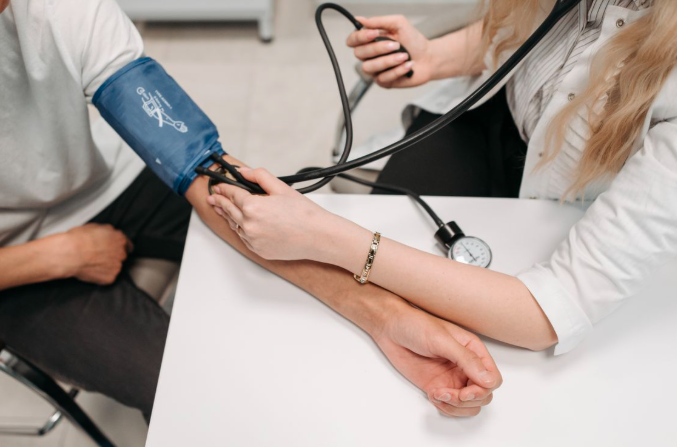
Understanding Recent Findings on Blood Pressure Medications and Heart Health
High blood pressure, also known as hypertension, is one of the leading risk factors for heart disease, stroke, kidney disease, and other serious health conditions. Fortunately, effective treatments are available, and blood pressure medications have helped millions of people reduce their risk of cardiovascular complications.
In recent years, researchers have continued to study how blood pressure medications affect long-term heart health, which treatments work best for different people, and how lifestyle changes complement medication. These findings reinforce an important message: for people who need them, blood pressure medications can play a vital role in protecting heart health when used under medical supervision. (AHA Journals)
This article explores recent research, explains how common blood pressure medications work, discusses potential side effects, and highlights healthy habits that support cardiovascular wellness.
What Is High Blood Pressure?
Blood pressure measures the force of blood pushing against the walls of your arteries.
It is recorded as two numbers:
- Systolic pressure: The pressure when the heart beats.
- Diastolic pressure: The pressure when the heart rests between beats.
When blood pressure remains consistently elevated, the heart and blood vessels must work harder, increasing the risk of:
- Heart attack
- Stroke
- Heart failure
- Kidney disease
- Vision problems
Because hypertension often causes no noticeable symptoms, it’s commonly called the “silent killer.”
Why Blood Pressure Control Matters
Research consistently shows that lowering high blood pressure reduces the risk of major cardiovascular events.
Recent analyses indicate that even a modest reduction in systolic blood pressure can significantly lower the risk of heart attack, stroke, and other major cardiovascular events across many patient groups. (American College of Cardiology)
Keeping blood pressure within the target range recommended by your healthcare provider remains one of the most effective ways to protect long-term heart health.
Common Types of Blood Pressure Medications
Several medication classes are available, and each works differently.
ACE Inhibitors
These medications help relax blood vessels by reducing the production of angiotensin II.
Examples include:
- Lisinopril
- Enalapril
- Ramipril
ARBs (Angiotensin II Receptor Blockers)
ARBs block the action of angiotensin II, allowing blood vessels to remain more relaxed.
Examples include:
- Losartan
- Valsartan
- Olmesartan
Calcium Channel Blockers
These medications relax blood vessel muscles and reduce the heart’s workload.
Common examples include:
- Amlodipine
- Diltiazem
- Verapamil
Large observational research continues to support the cardiovascular safety of commonly prescribed amlodipine when used appropriately. (NIEHS)
Diuretics
Often called “water pills,” these medications help the body remove excess salt and water.
Examples include:
- Hydrochlorothiazide
- Chlorthalidone
- Indapamide
Beta-Blockers
Beta-blockers reduce heart rate and decrease the force of heart contractions.
Examples include:
- Metoprolol
- Atenolol
- Bisoprolol
They remain important for many people with specific heart conditions, although treatment is individualized based on current clinical guidelines. (AHA Journals)
Recent Research on Blood Pressure Medications
Scientists continue to improve our understanding of hypertension treatment.
Blood Pressure Reduction Lowers Cardiovascular Risk
Recent evidence confirms that lowering elevated blood pressure remains one of the most effective ways to reduce cardiovascular risk.
Studies have shown meaningful reductions in major adverse cardiovascular events when blood pressure is appropriately controlled. (American College of Cardiology)
Treatment Should Be Individualized
Modern guidelines emphasize personalized care.
Healthcare providers consider factors such as:
- Age
- Kidney function
- Diabetes
- Heart failure
- Previous stroke
- Other medications
- Overall cardiovascular risk
Rather than using a one-size-fits-all approach, treatment plans are tailored to the individual. (AHA Journals)
New Medications Are Being Developed
Researchers are exploring new therapies for people whose blood pressure remains high despite standard treatment.
One newer class, aldosterone synthase inhibitors, has shown promising results in clinical trials for resistant hypertension. These medications may offer additional options for people whose blood pressure is difficult to control, though availability and suitability depend on regulatory approval and individual circumstances. (Cleveland Clinic)
Medication Safety and Monitoring
Blood pressure medications are generally safe, but like all medicines, they can cause side effects.
Common side effects may include:
- Dizziness
- Fatigue
- Headache
- Swelling of the ankles (with some calcium channel blockers)
- Dry cough (with some ACE inhibitors)
- Increased urination (with diuretics)
Many side effects improve over time or can be managed by adjusting the medication under medical supervision. Never stop taking a prescribed blood pressure medication without consulting your healthcare provider.
Important Drug Interactions
Recent research has highlighted that some people taking GLP-1 medications for diabetes or weight management alongside multiple blood pressure medicines may experience an increased risk of low blood pressure, dizziness, or fainting. This does not mean the medications should be stopped, but it does emphasize the importance of regular monitoring and medication review as weight and blood pressure change. (Verywell Health)
Always tell your healthcare provider about:
- Prescription medications
- Over-the-counter medicines
- Herbal supplements
- Vitamins
This helps reduce the risk of unwanted interactions.
Healthy Habits That Support Blood Pressure Control
Medication works best when combined with healthy lifestyle choices.
Eat a Heart-Healthy Diet
Focus on foods such as:
- Fruits
- Vegetables
- Whole grains
- Beans
- Lentils
- Nuts
- Seeds
- Fish
- Olive oil
Limit:
- Excess sodium
- Sugary beverages
- Highly processed foods
- Saturated fats
Recent dietary recommendations continue to emphasize long-term healthy eating patterns over any single “superfood” for cardiovascular protection. (Food & Wine)
Stay Physically Active
Aim for at least:
- 150 minutes of moderate-intensity activity per week
Examples include:
- Brisk walking
- Cycling
- Swimming
Emerging research also suggests that, for some people with hypertension, brief high-intensity intervals incorporated safely into an exercise routine may offer additional cardiovascular benefits. Any new exercise program should be discussed with a healthcare professional if you have heart disease or uncontrolled hypertension. (Verywell Health)
Maintain a Healthy Weight
Even modest weight loss may improve blood pressure and reduce strain on the heart.
Avoid Smoking
Quitting smoking remains one of the most effective ways to improve cardiovascular health.
Limit Alcohol
If you drink alcohol, do so in moderation, following your healthcare provider’s advice.
Manage Stress
Helpful strategies include:
- Meditation
- Deep breathing
- Yoga
- Spending time outdoors
- Talking with supportive friends or family
Monitoring Your Blood Pressure at Home
Home blood pressure monitoring can help you and your healthcare provider understand how well your treatment is working.
For the most reliable readings:
- Sit quietly for at least five minutes before measuring.
- Keep your feet flat on the floor.
- Rest your arm at heart level.
- Avoid caffeine, smoking, or exercise for at least 30 minutes beforehand.
- Measure at about the same time each day if possible.
Bring your readings to medical appointments for review.
When to Contact Your Healthcare Provider
Seek medical advice if you experience:
- Persistent dizziness
- Fainting
- Chest pain
- Shortness of breath
- Severe swelling
- Very low blood pressure readings
- Blood pressure that remains consistently above your target despite treatment
Seek emergency medical care immediately if you have symptoms of a heart attack or stroke.
Frequently Asked Questions
Should I stop taking my blood pressure medication if my readings improve?
No. Improved readings often mean the medication and lifestyle changes are working. Never stop or adjust your medication without consulting your healthcare provider.
Are newer blood pressure medications always better?
Not necessarily. The best medication depends on your overall health, other medical conditions, and how well you tolerate treatment.
Can lifestyle changes replace medication?
For some people with mildly elevated blood pressure, lifestyle changes may be enough. Others require medication in addition to healthy habits. Your healthcare provider can determine the most appropriate approach.
How often should blood pressure be checked?
This depends on your individual situation. People with hypertension may need more frequent monitoring than those with normal blood pressure. Your healthcare provider can recommend a schedule that’s right for you.
Final Thoughts
Recent research continues to reinforce the importance of controlling high blood pressure to protect heart health. Modern blood pressure medications remain a cornerstone of treatment, and newer therapies are expanding options for people with difficult-to-control hypertension. At the same time, healthy habits—including a nutritious diet, regular physical activity, weight management, and avoiding smoking—remain essential partners to medication.
If you have concerns about your blood pressure treatment, don’t stop taking your medication on your own. Instead, discuss any questions or side effects with your healthcare provider, who can help tailor a treatment plan that supports both your blood pressure goals and your overall cardiovascular health.
