
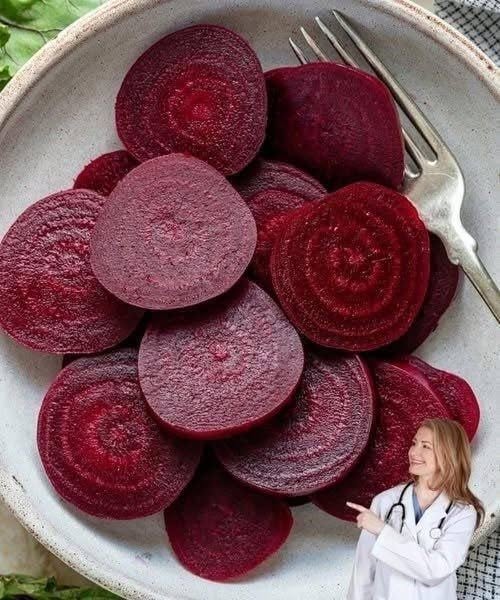
Beets and Your Health: Potential Benefits and Nutrition Facts
Beets are among the most nutrient-dense root vegetables you can add to your diet. Their vibrant color, naturally sweet flavor, and impressive nutritional profile have made them a favorite in kitchens around the world. Whether roasted, boiled, steamed, pickled, or blended into smoothies, beets provide a variety of vitamins, minerals, antioxidants, and plant compounds that support overall health.
One reason beets have attracted so much attention is their natural nitrate content, which the body converts into nitric oxide. This compound helps relax blood vessels and supports healthy circulation. While beets are not a cure or treatment for any disease, including them as part of a balanced diet may contribute to heart health, exercise performance, digestive wellness, and more.
In this article, you’ll discover the nutrition facts, science-backed health benefits, possible precautions, and delicious ways to enjoy beets.
What Are Beets?
Beets, also known as beetroot, are edible root vegetables that belong to the Amaranthaceae family, along with spinach and Swiss chard. Both the root and the leafy greens are edible and highly nutritious.
Common varieties include:
- Red beets
- Golden beets
- Chioggia (candy-striped) beets
- White beets
Their earthy flavor becomes sweeter when cooked, making them a versatile ingredient for salads, soups, side dishes, juices, and even desserts.
Nutrition Facts of Beets
A one-cup (about 136 grams) serving of cooked beets provides approximately:
- Calories: 59
- Carbohydrates: 13 grams
- Protein: 2.2 grams
- Fat: 0.2 grams
- Fiber: 3.8 grams
- Folate: 34% of the Daily Value (DV)
- Manganese: 22% of the DV
- Potassium: 9% of the DV
- Vitamin C: 6% of the DV
- Magnesium: 6% of the DV
- Iron: 5% of the DV
Beets also contain beneficial plant compounds, including:
- Betalains
- Nitrates
- Polyphenols
- Flavonoids
These compounds contribute to their antioxidant and anti-inflammatory properties.
Potential Health Benefits of Beets
1. May Support Heart Health
One of the most researched benefits of beets is their effect on cardiovascular health.
Beets are naturally rich in dietary nitrates. Once consumed, these nitrates are converted into nitric oxide, which helps blood vessels relax and widen. Healthy blood vessel function supports good circulation and may help maintain healthy blood pressure levels in some individuals.
Adding beets to an overall heart-healthy diet that includes fruits, vegetables, whole grains, legumes, and healthy fats may contribute to long-term cardiovascular wellness.
2. Rich in Powerful Antioxidants
Beets owe their deep red color to natural pigments called betalains.
These antioxidants help protect cells from oxidative stress caused by free radicals.
Oxidative stress has been linked to aging and various chronic diseases, making antioxidant-rich foods an important part of a healthy diet.
Other antioxidants found in beets include:
- Vitamin C
- Phenolic acids
- Flavonoids
Eating a colorful variety of vegetables helps increase your intake of protective plant compounds.
3. May Help Support Healthy Blood Pressure
Several studies suggest that nitrate-rich vegetables may help support healthy blood pressure as part of a balanced lifestyle.
Nitric oxide helps improve blood vessel flexibility and blood flow, which may contribute to normal blood pressure regulation.
However, people with high blood pressure should continue taking prescribed medications and follow their healthcare provider’s recommendations.
4. May Improve Exercise Performance
Beets are popular among athletes because dietary nitrates may improve oxygen efficiency during physical activity.
Research suggests that beet consumption before exercise may:
- Improve endurance
- Reduce oxygen cost during workouts
- Delay fatigue in some individuals
- Enhance overall exercise performance
While the effects vary, beets can be a nutritious pre-workout food for many active adults.
5. Supports Healthy Digestion
Beets are an excellent source of dietary fiber.
Fiber supports digestive health by:
- Promoting regular bowel movements
- Feeding beneficial gut bacteria
- Supporting a healthy digestive system
- Increasing feelings of fullness after meals
A fiber-rich diet may also support healthy cholesterol and blood sugar levels.
6. Excellent Source of Folate
Folate (Vitamin B9) is essential for:
- DNA production
- Cell growth
- Healthy red blood cell formation
- Tissue repair
Pregnant women require adequate folate intake because it supports healthy fetal development.
Including folate-rich vegetables like beets can help meet daily nutritional needs.
7. May Support Brain Health
Healthy blood circulation is important for brain function.
Because dietary nitrates improve nitric oxide production, researchers have investigated whether beet consumption may support blood flow to certain areas of the brain.
Although more research is needed, eating vegetables rich in antioxidants and nutrients remains an important recommendation for healthy aging.
8. Contains Essential Minerals
Beets provide several important minerals.
Potassium
Potassium helps regulate:
- Fluid balance
- Muscle contractions
- Nerve function
- Healthy blood pressure
Manganese
Manganese supports:
- Bone development
- Metabolism
- Antioxidant enzyme activity
Magnesium
Magnesium contributes to:
- Muscle relaxation
- Energy production
- Normal nerve function
- Bone health
9. Naturally Low in Fat and Calories
Beets are naturally:
- Low in fat
- Cholesterol-free
- Relatively low in calories
This makes them an excellent choice for people looking to maintain a healthy weight while enjoying satisfying, nutrient-rich foods.
10. May Help Reduce Inflammation
The betalain pigments found in beets have been studied for their anti-inflammatory properties.
Although more human research is needed, diets rich in fruits and vegetables are consistently associated with lower levels of chronic inflammation.
Don’t Forget Beet Greens
Many people discard beet leaves, but they’re actually packed with nutrients.
Beet greens provide:
- Vitamin A
- Vitamin C
- Vitamin K
- Calcium
- Potassium
- Iron
The leaves can be:
- Sautéed
- Added to soups
- Mixed into salads
- Blended into smoothies
Using both the root and the greens reduces food waste while increasing nutritional value.
Delicious Ways to Eat Beets
Beets are incredibly versatile.
Popular ways to enjoy them include:
Roasted
Roasting enhances their natural sweetness and creates a tender texture.
Boiled
Boiled beets are easy to peel and perfect for salads.
Steamed
Steaming helps preserve nutrients while keeping beets moist.
Pickled
Pickled beets add a tangy flavor to sandwiches, grain bowls, and salads.
Choose lower-sodium varieties when possible.
Raw
Grated raw beets add crunch and color to salads and slaws.
Smoothies
Blend cooked beets with:
- Berries
- Banana
- Greek yogurt
- Spinach
- Almond milk
for a naturally colorful smoothie.
Beet Juice
Fresh beet juice is a convenient source of dietary nitrates, though it contains less fiber than whole beets.
Easy Roasted Beet Recipe
Ingredients
- 4 medium beets
- 1 tablespoon olive oil
- Salt, to taste
- Black pepper
- Fresh thyme or parsley (optional)
Instructions
- Preheat the oven to 400°F (200°C).
- Wash and trim the beets.
- Wrap each beet loosely in aluminum foil.
- Roast for 45 to 60 minutes until fork tender.
- Allow them to cool slightly.
- Rub off the skins using paper towels.
- Slice into wedges.
- Drizzle with olive oil and season with salt, pepper, and herbs.
Serve warm or chilled.
Are There Any Side Effects?
Beets are safe for most people, but a few considerations are worth noting.
Beeturia
Some individuals notice pink or reddish urine after eating beets.
This harmless condition is known as beeturia and usually isn’t a cause for concern.
Kidney Stones
Beets contain oxalates, which may contribute to kidney stone formation in susceptible individuals.
People with a history of calcium oxalate kidney stones should discuss their intake with a healthcare professional.
Blood Pressure Medications
Because beets may help lower blood pressure in some people, individuals taking blood pressure medication should speak with their healthcare provider before consuming large amounts of beet juice or concentrated beet supplements.
Tips for Buying and Storing Beets
When shopping, choose beets that are:
- Firm
- Smooth
- Heavy for their size
- Free from soft spots or deep cuts
If the greens are attached, they should appear fresh and crisp.
Store beet roots in the refrigerator for up to two weeks. Remove the greens before storing, as they draw moisture from the roots. Beet greens are best used within a few days.
Frequently Asked Questions
Are raw or cooked beets healthier?
Both offer nutritional benefits. Cooking may reduce some vitamin C but can make other beneficial compounds more available. Eating a mix of raw and cooked beets is a great way to enjoy their benefits.
Can beets lower blood pressure?
Some studies suggest that the nitrates in beets may help support healthy blood pressure. However, they should not replace prescribed medications or medical treatment.
Is beet juice healthier than whole beets?
Whole beets contain more fiber, which supports digestion and helps with fullness. Beet juice provides concentrated nitrates but less fiber.
Can people with diabetes eat beets?
Yes. Beets contain natural sugars, but they also provide fiber, vitamins, and minerals. Portion control and overall carbohydrate intake are important, so people with diabetes should follow their healthcare provider’s dietary recommendations.
How often should I eat beets?
For most healthy adults, enjoying beets a few times each week as part of a varied diet is a nutritious choice.
Final Thoughts
Beets are a colorful, nutrient-rich vegetable that can be a valuable part of a healthy eating pattern. They provide fiber, folate, potassium, antioxidants, and naturally occurring nitrates that may support heart health, healthy circulation, exercise performance, and digestive wellness. While no single food can prevent or cure disease, regularly including vegetables like beets in your meals can help you meet your nutritional needs and support long-term health.
Whether you roast them, add them to salads, blend them into smoothies, or enjoy their leafy greens, beets are a versatile and delicious way to add more nutrition to your plate. Combined with regular physical activity, adequate sleep, stress management, and routine healthcare, they can contribute to a well-rounded approach to healthy living.
