
Peace Lily Care: The Simple Ingredient That May Help Encourage More Blooms
Introduction
Peace lilies are among the most popular houseplants because of their elegant white flowers, glossy green leaves, and ability to add a touch of nature to indoor spaces. Known scientifically as Spathiphyllum, these tropical plants are often considered beginner-friendly because they can adapt to indoor environments with the right care.
However, many peace lily owners experience a common frustration: their plant grows beautiful green leaves but produces few or no flowers. While there is no magic ingredient that guarantees blooms, certain nutrients and care practices can help create better conditions for flowering.
One simple addition that many plant enthusiasts use is compost or nutrient-rich organic matter, which can support healthier growth when used properly. Along with the right light, watering routine, and soil conditions, this natural ingredient may help encourage a peace lily to produce more blooms.
This guide explains how compost can benefit peace lilies, what else these plants need to flower, and how to avoid common mistakes that prevent blooming.
Understanding Peace Lily Blooms
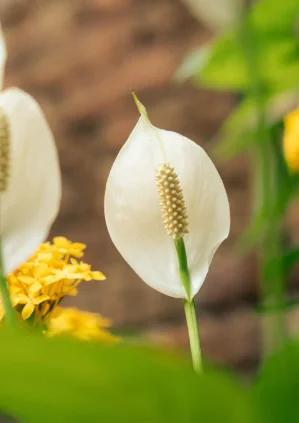
Peace lilies are valued for their white, leaf-like flowers called spathes, which surround a small central flower structure known as a spadix.
A healthy peace lily typically blooms when it receives the right combination of:
- Adequate indirect light
- Proper moisture levels
- Balanced nutrients
- Suitable temperature
- Healthy roots
If a peace lily has plenty of leaves but no flowers, the issue is often not the plant itself but the growing conditions.
Many factors can influence blooming, including age, light exposure, soil quality, and nutrient availability.
The Simple Ingredient: Compost for Healthier Growth
Compost is a natural material made from decomposed organic matter, such as plant material and food scraps. When added to potting soil in moderation, compost can improve soil quality and provide a slow release of nutrients.
For peace lilies, compost may help by:
- Improving soil structure
- Supporting healthier roots
- Increasing beneficial microorganisms in the soil
- Providing small amounts of essential nutrients
Healthy roots are important because they allow the plant to absorb water and nutrients more effectively.
However, compost should be used carefully. Too much organic material can make soil overly dense or hold excess moisture, which may lead to root problems.
How to Use Compost for a Peace Lily
If you want to add compost to your peace lily’s soil, a small amount is usually enough.
A simple approach:
- Choose a high-quality, fully aged compost.
- Mix a small amount into the top layer of soil.
- Avoid covering the entire surface with thick compost.
- Water normally afterward.
You can also refresh the potting mix during repotting by adding compost to a well-draining indoor plant soil blend.
The goal is to improve soil health—not overwhelm the plant with nutrients.
Other Nutrients That Support Peace Lily Blooms
While compost can help improve growing conditions, flowering also depends on balanced nutrition.
Plants need three major nutrients:
Nitrogen
Nitrogen supports leafy green growth. However, too much nitrogen can encourage lots of leaves while reducing flower production.
Phosphorus
Phosphorus plays a role in root development and flowering. Some flowering plant fertilizers contain higher phosphorus levels to support blooms.
Potassium
Potassium supports overall plant strength and helps with important plant processes.
A balanced houseplant fertilizer applied during the active growing season may help support healthy flowering.
Always follow fertilizer instructions because over-fertilizing can damage roots and leaves.
Light: The Most Important Factor for More Blooms
One of the biggest reasons peace lilies fail to flower is insufficient light.
Peace lilies prefer:
- Bright, indirect sunlight
- A location near a window with filtered light
- Protection from harsh direct afternoon sun
Although peace lilies can survive in lower-light areas, they often produce fewer flowers when they do not receive enough energy from light.
Signs your peace lily may need more light include:
- Healthy leaves but no flowers
- Slow growth
- Smaller new leaves
Moving the plant closer to a bright window can sometimes make a noticeable difference.
Watering Tips for Better Peace Lily Health
Peace lilies enjoy consistently moist soil but do not like sitting in water.
Common watering mistakes include:
Overwatering
Too much water can cause:
- Yellow leaves
- Root problems
- Weak growth
Underwatering
Too little water may cause:
- Drooping leaves
- Dry leaf edges
- Stress that affects flowering
A good approach is to check the top layer of soil before watering. If the top inch feels dry, it may be time to water.
Using a pot with drainage holes can help prevent excess moisture buildup.
Humidity and Temperature Needs
Because peace lilies are tropical plants, they appreciate moderate to high humidity.
Dry indoor air can sometimes cause:
- Brown leaf tips
- Leaf curling
- Reduced growth
Ways to increase humidity include:
- Grouping plants together
- Using a humidifier
- Placing the plant near naturally humid areas of the home
Peace lilies generally prefer comfortable indoor temperatures and should be protected from cold drafts and sudden temperature changes.
Common Reasons a Peace Lily Does Not Bloom
Even a healthy-looking peace lily may not flower because of several factors.
Not Enough Light
The plant may survive but lack the energy needed for blooms.
Too Much Nitrogen
High-nitrogen fertilizers can encourage leaf growth instead of flowers.
Young Plant Age
Some peace lilies need time to mature before flowering.
Root Problems
Poor drainage or damaged roots can affect the plant’s ability to grow and bloom.
Stress From Changes
Moving the plant frequently or changing conditions suddenly may temporarily affect flowering.
Natural Ways to Keep a Peace Lily Thriving
Along with compost, several simple habits can support long-term plant health.
Clean the Leaves
Dust can block light absorption. Gently wiping leaves with a damp cloth can help keep them clean.
Remove Old Flowers
Once flowers fade, trimming them can help the plant focus energy on new growth.
Rotate the Plant
Turning the pot occasionally encourages even growth by allowing all sides to receive light.
Repot When Needed
A root-bound peace lily may benefit from a larger pot and fresh soil.
Signs it may need repotting include:
- Roots growing through drainage holes
- Soil drying out very quickly
- Slowed growth
Can Household Ingredients Help Peace Lilies Bloom?
Many online gardening tips suggest using kitchen ingredients such as coffee grounds, eggshells, or other homemade fertilizers. While some organic materials can contribute nutrients, they should be used carefully.
Adding too much of any household ingredient can:
- Change soil balance
- Attract pests
- Create unpleasant odors
- Harm roots
Compost made from properly broken-down organic matter is generally a safer choice because it is designed to improve soil quality.
Final Thoughts
A peace lily that refuses to bloom can often be encouraged with better growing conditions rather than complicated treatments. Adding a small amount of quality compost may help improve soil health and provide gentle nutrients, but it works best alongside proper light, watering, and overall plant care.
The key to more peace lily flowers is creating a healthy environment where the plant has everything it needs to thrive. With patience and consistent care, your peace lily can reward you with lush foliage and beautiful blooms throughout the year.
